You deliver results, solve hard problems, and know the technical landscape better than most. Yet somehow, the people shaping decisions and advancing faster are not always the most capable ones in the room.
Research shows intelligence strongly predicts job performance, yet it barely predicts income or career progression. Something else is driving who moves ahead.
You watch colleagues with weaker technical understanding gain influence, shape more decisions, and move ahead. It's confusing. And quietly frustrating.
You raised it months ago. Then someone else said it in the right room, to the right people. And suddenly it became important.
You have little patience for self-promotion or organizational games. You'd rather focus on meaningful work, and you believe that should be enough.
When the problem is technical, you're in your element. When the room shifts to strategy, politics, or people dynamics, something feels different.
Your instinct is to be certain before you commit to a position. In leadership contexts, that precision can read as hesitation, costing you influence in the room.
You keep delivering. You keep contributing. But the path to broader impact and bigger roles feels unclear, and the gap between capability and progression keeps growing.
There is nothing wrong with you.
You have simply reached a stage where new capabilities become essential. Almost no one teaches technical professionals how to develop them.
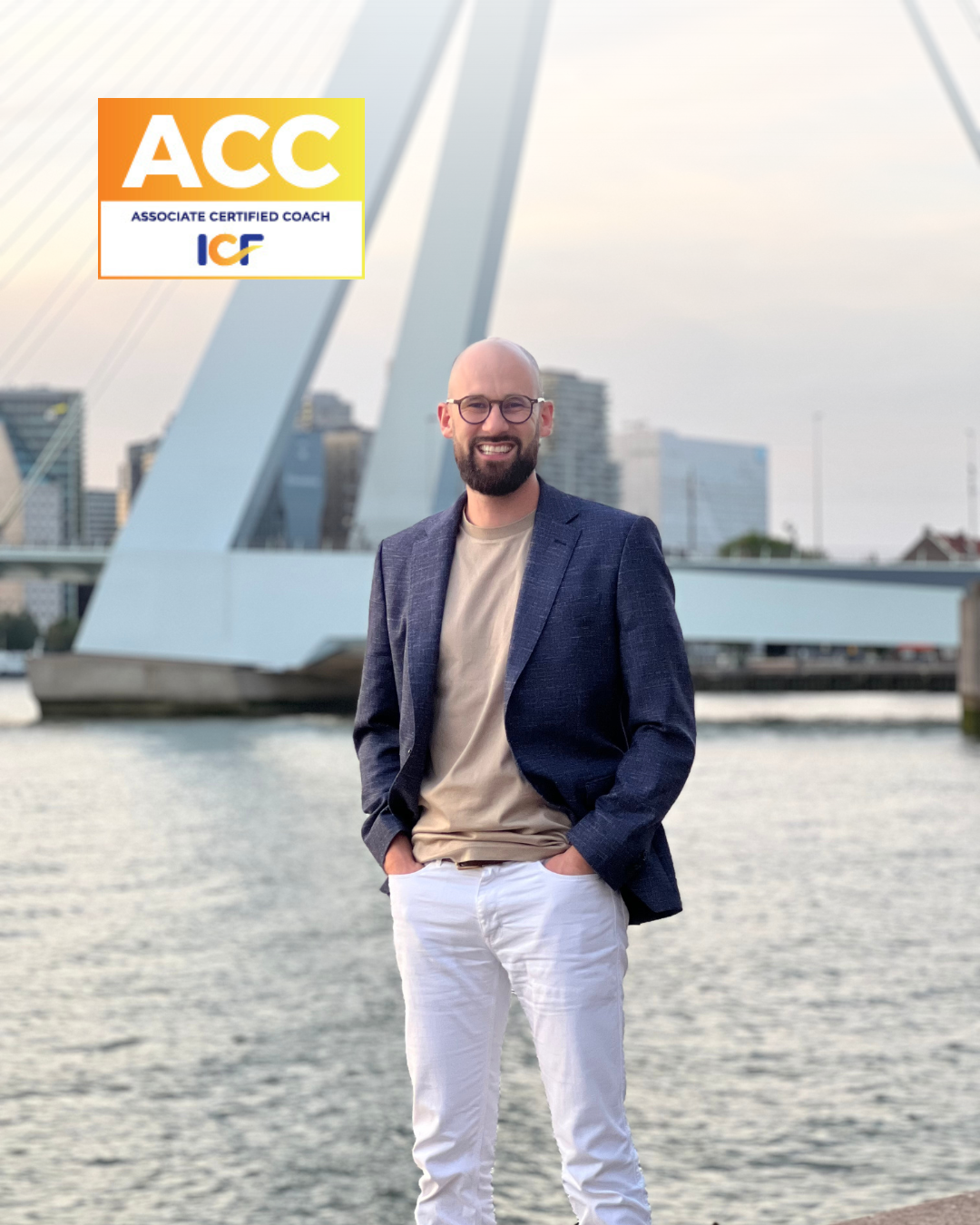
I'm Rafael Valbon. What sets this practice apart is not just the coaching methodology, but the combination of real technical credibility, lived leadership experience, and a global perspective.
Electrical engineering background with over a decade of leadership experience at global market leader companies. I understand the technical world from the inside.
Internal coach at ASML, actively coaching multiple technical professionals and leaders. This isn't theory. It's coaching practised daily inside one of the world's most complex high-tech environments.
Multicultural experience from living and working in Brazil, France, and the Netherlands. I bring a rare ability to coach across cultural contexts and navigate diverse, international team dynamics.
ICF Associate Certified Coach (ACC), trained and credentialed to the International Coaching Federation's rigorous, globally recognized standard.
A structured engagement with a clear beginning, middle, and end. You always know where you stand and what comes next.
We explore your current situation, your goals, and whether coaching is the right fit. No pressure, just a clear and open conversation.
We use a structured assessment to better understand your personality, behavior patterns, and natural tendencies. This creates a strong foundation for the coaching journey and helps shape the direction of your development.
Based on your context and the insights from the assessment, we define clear and relevant coaching goals. These goals are directly connected to your real work environment and leadership challenges.
One-on-one sessions every 3 to 4 weeks, focused on your real situations at work. Each session builds on your current challenges, helping you reflect, take action, and develop more effective ways of leading, communicating, and influencing in your day-to-day environment.
You can reach out between sessions for inputs, reflection, or preparation. This ensures continuity and support when it matters most.
We regularly review your progress and adjust focus where needed. The goal is not just insight, but visible and sustainable change in how you operate as a leader.
Many highly capable technical professionals reach a point where they realize that competence alone is not enough. Understanding influence is the next essential step. Let's explore what that looks like for you.
Book a CallEverything you need to know before booking your first call.
No. Most people who say they dislike politics are reacting to bad versions of it. What we focus on is understanding how decisions actually get made, and how to position your ideas so they are heard. If your work is not reaching the right people at the right time, it won't have the impact it should, regardless of how strong it is.
Because the rules change. Strong individual performance gets you here. From that point on, impact depends less on what you produce and more on how you influence decisions, align people, and handle complexity. Most professionals are never taught how that shift works. They're expected to figure it out as they go.
No. What matters is not your title, but the level of responsibility and complexity you operate in. If your work depends on influencing others, navigating stakeholders, or making decisions beyond your own scope, this coaching is relevant.
Professionals who are technically strong and already carry significant responsibility, but notice that their ideas don't always gain traction, decisions are made in ways that feel unclear or frustrating, communication becomes harder as stakes increase, or influence matters more than they expected.
Coaching is not extra work. It is a space to think. Sessions are spaced every 3 to 4 weeks and focus on situations you are already dealing with. The goal is to help you handle those situations more effectively, not to add more to your plate.
Typically six months, with sessions every 3 to 4 weeks. That duration allows enough time to apply what you learn in real situations, reflect on outcomes, and adjust your approach in a meaningful way.
Mentoring gives you advice. Training gives you frameworks. Coaching helps you work through your own situations, with your constraints, your stakeholders, and your context. It's less about learning something new, and more about operating differently with what you already know.
That depends on your goals, but the shift is usually visible in how you operate. People tend to notice clearer communication in important situations, stronger presence in discussions and decisions, better alignment with stakeholders, ideas gaining more traction, and more confidence in complex situations.